Appomattox is of special interest to me because a small part of our family history occurred here. George Oren Pratt, my 5th cousin, 1X removed (son of my 3rd great grandfather James Pratt), was in Appomattox serving in the 4th Maine Artillery Battery when General Robert E. Lee surrendered the Army of Northern Virginia to General Ulysses S. Grant on April 9th, 1865 at the McLean residence in Appomattox Court House, Virginia.
James Pratt and his 2nd wife Lucinda, residents of Palmyra, Maine, had three sons who served in the Union Army during the Civil War.
At 18 years of age, son Joseph H. Pratt enlisted in the 11th Infantry, Maine Volunteers, in the summer of 1861.
The regiment was organized for active service Oct. 11, 1861, and mustered into the U. S. service on Nov. 12, to serve for three years. It left the state the next day for Washington, where it remained encamped until March 28, 1862, when, as part of Casey’s division, it proceeded to Alexandria, thence to Newport News. Here on April 6 it was detached from its brigade (Naglee’s), and went to the mouth of Warwick creek, where it was under the fire of the rebel gunboat Teazer. On the 17th, it rejoined the division and brigade and proceeded to Yorktown, where on the 29th it was in a sharp engagement with the enemy. Later it took a prominent part in the battles of Williamsburg, Seven Pines and White Oak swamp. From Aug. 16, to Dec. 26, 1862, it was at Yorktown, and on the latter date embarked with Naglee’s brigade for Port Royal, S. C., where it landed on Feb. 10, 1863. Gen. Naglee, having been promoted to the command of a division, issued a spirited order on leaving the regiment, of which the following is a part: “Yours is the honor of having been the first to pass and the last to leave the Chickahominy. And, while you led the advance from this memorable place near Richmond, you were the last in the retreating column, when, after seven days’ constant fighting, it reached a place of security and rest at Harrison’s Landing.”
Joseph’s unit was sent to Fernandina Beach, Florida an area used for rest and rehabilitation by the Union Army. Unfortunately, Joseph was afflicted with chronic diarrhea and died there on November 18th, 1863. He is buried in a beautiful National Cemetery in Beaufort, South Carolina. I highly recommend a visit if you are in the area. The visitor’s desk can direct you to his well-marked headstone.
At age 24, on August 2nd, 1862, son James Pratt enlisted in Company G, Sixteenth Maine Infantry.
The recruits for this regiment were rendezvoused at Augusta during the months of May, June and July, and the regiment was mustered into the U. S. service on August 14th, 1862, to serve for three years. The regiment left for Washington on the 19th with 38 commissioned officers and 944 enlisted men, and remained encamped there until September 7th, when it proceeded to Rappahannock Station as a part of Taylor’s brigade, Hooker’s corps. Here it was transferred to Duryea’s brigade of Reynolds’ corps. It had left camp at Fort Tillinghast, near Washington, in light marching order and during the next two months the men suffered terribly from the lack of enough clothing and camp equipment. By the middle of October, the regiment had dwindled to less than 700 men, and of these 250 were at one time on the sick list. Even medicines for the sick were lacking and the hardships endured by these men, so recently taken from the peaceful walks of life, can never be told. Finally, at the end of October, they drew shoes and shelter tents, November 27th (Thanksgiving Day), their knapsacks and overcoats arrived from Washington. The result of these conditions caused James to come down with pneumonia. Unfit for duty he was discharged in Baltimore on November 19th. Family lore is that he was assisted on his journey home by one of his siblings.
James returned to farming and married Sarah S. Richardson on December 25th, 1964 and they had a daughter named Christina. James died at age 33 on December 5th, 1871.
At age 21, son George O. Pratt enlisted on December 23rd, 1961 in the 4th Maine Artillery Battery. He was discharged at Brandy Station, Culpeper, Virginia on February 6th, 1864 and re-enlisted on the same day. His final discharge was on June 17th, 1865. Essentially, he served in the Union Army for almost the entire Civil War.
The 4th Maine Battery was organized in Augusta, Maine and mustered in for three years’ service on December 21, 1861.
The battery was attached to 2nd Division, II Corps, Army of Virginia, to September 1862. Artillery, 3rd Division, III Corps, Army of the Potomac, to May 1863. Artillery Brigade, III Corps, to September 1863. Artillery, 2nd Division, III Corps, to April 1864. Artillery Brigade, VI Corps, to August 1864. Artillery Reserve, Army of the Potomac, to March 1865. Artillery Reserve, Army of the Potomac, to June 1865.
The 4th Maine Battery mustered out of service June 17, 1865 at Augusta, Maine.
Duty at Augusta until March 14, 1862, and at Portland until April 1. Moved to Washington, D.C., April 1-3, and duty in the defenses of that city until June 28. Ordered to Harpers Ferry, Va., June 28. Battle of Cedar Mountain Va., August 9. Pope’s Campaign in northern Virginia August 16-September 2. Fords of the Rappahannock August 20-23. Sulphur Springs August 24. Battles of Groveton August 29, and Bull Run August 30. Battle of Antietam, Md., September 16-17. Duty at Maryland Heights until October 13, and on the Upper Potomac until December 10. At Bolivar Heights until April 7, and at Maryland Heights until June 30. Moved to Monocacy Junction, then to South Mountain, Md., June 30-July 6. Pursuit of Lee July 6-24. Wapping Heights, Va., July 23. Camp near Bealton August 1-September 15, and on Culpeper and Warrenton Pike until October 10. Bristoe Campaign October 10-22. Culpeper October 12-13. McLean’s Ford October 15. Kelly’s Ford November 7. Mine Run Campaign November 26-December 2. Payne’s Farm November 27. At Brandy station until March 31, 1864. Rapidan Campaign May 4-June 15. Battle of the Wilderness May 5-7. Spotsylvania May 8-12. Spotsylvania Court House May 12-21. North Anna River May 23-27. Totopotomoy May 28-31. Cold Harbor June 1-12. Siege of Petersburg, Va., June 17, 1864 to April 2, 1865. Mine Explosion, Petersburg. July 30, 1864. Duty in the trenches before Petersburg at various points from the James River to the Weldon Railroad until April 1865. Fall of Petersburg April 2. Sayler’s Creek April 6. Appomattox Court House April 9. Surrender of Lee and his army.
The battery lost a total of 28 men during service; 5 enlisted men killed or mortally wounded, 1 officer and 22 enlisted men died of disease.
George returned to Maine but by 1869 had relocated to Iowa where he married Rhoda Matilda Newton. They relocated to Ramsey, South Dakota by 1900. They had 8 children. George died in Lyman, South Dakota May 24th, 1915.
Living a little more than 20 miles away from the Appomattox surrender site was George’s second cousin, Doctor Bryce McLellan Pratt, a physician. Their common ancestor is my 5th great grandfather, Micah Pratt. Bryce was living in Buckingham, Virginia. He was the son of Whitcomb Pratt and Abigail Gardner, born May 9th, 1816 in Skowhegan, Maine. Branching out beyond my direct ancestors in researching the family’s genealogy and history I was struck by the given name of Bryce and his middle name McLellan, historically the Pratt given names were biblical. Apparently, the McLellan came from a Skowhegan physician’s surname. My understanding is that the doctor’s wife was not able to bear children. The good doctor was also Bryce’s benefactor as he went on to study at Bates College, Dartmouth College for his premedical education, and then on to Jefferson Medical College in Philadelphia, Pennsylvania where he graduates in July 1847.
I fully expected to find that Bryce would return to Skowhegan and work with or replace the good doctor. Instead, the records show he established a practice in Buckingham, Virginia. Shortly thereafter he married Emeline Francis Trent. They had 3 children, 2 sons and a daughter. The oldest son, Whitcomb was also a physician.
He acquired a significant amount of property which he was probably farming. The 1860 Census reveals that he owned 14 slaves, 5 males and 9 females. In 1866 during Reconstruction Bryce was appointed Buckingham County Clerk, a position he held until 1870. In 1872 he was declared bankrupt and shortly thereafter removed to Kansas. He died in Rogers, Arkansas on January 19th, 1886. His widow, Emeline returned to her birthplace, Curdsville, Virginia where she died December 16th, 1893.




















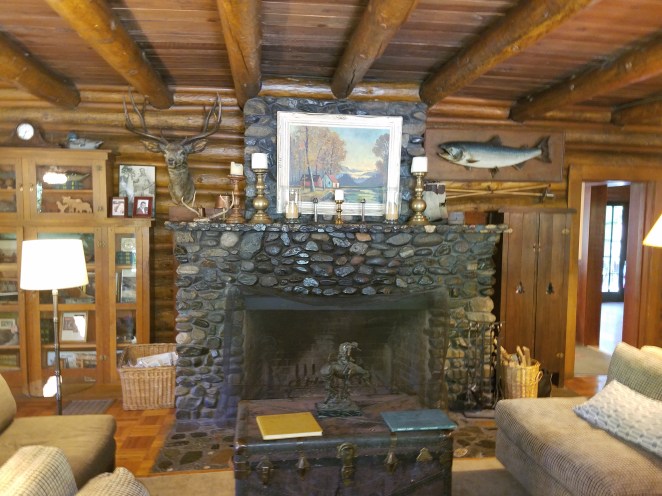
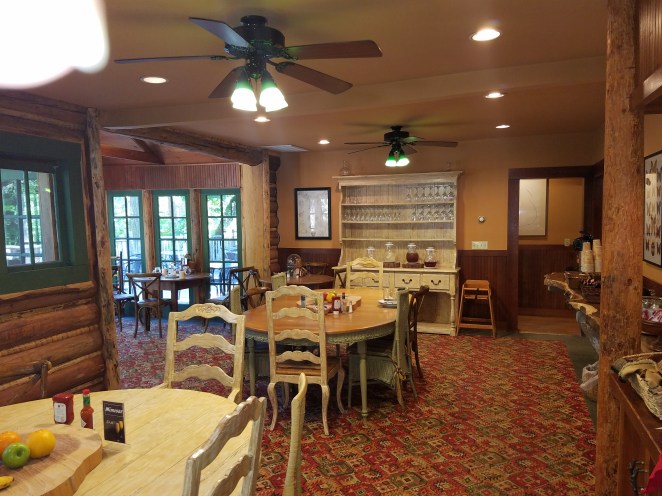
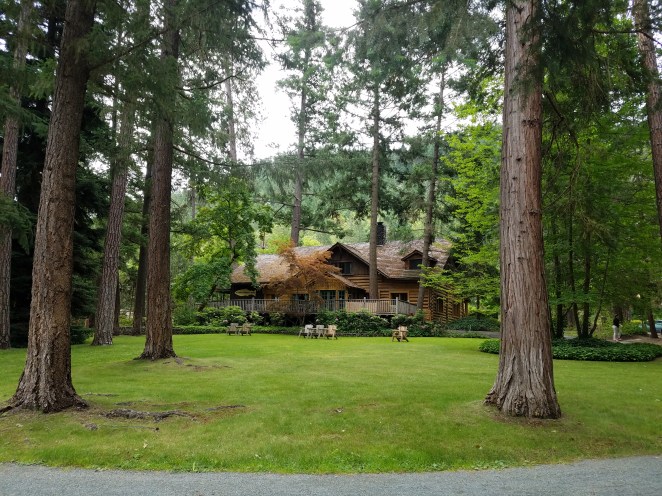

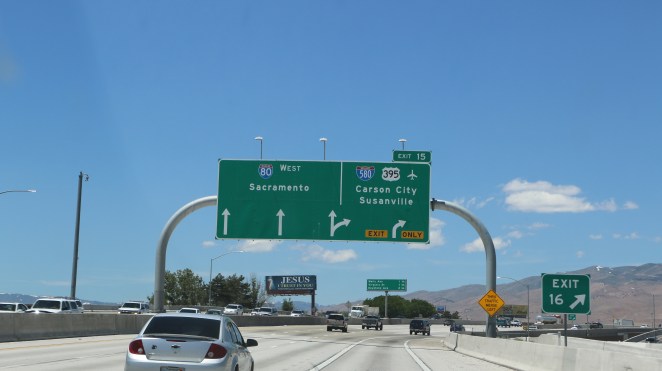
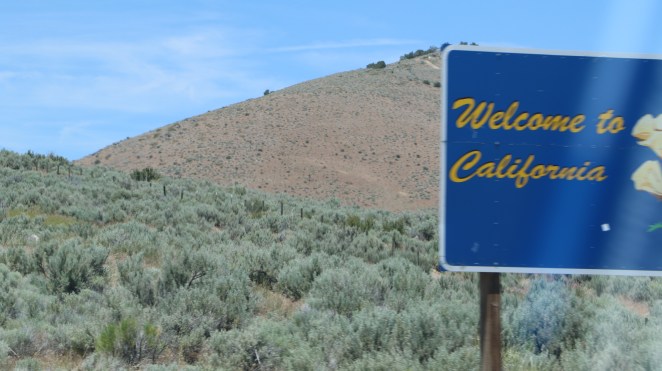
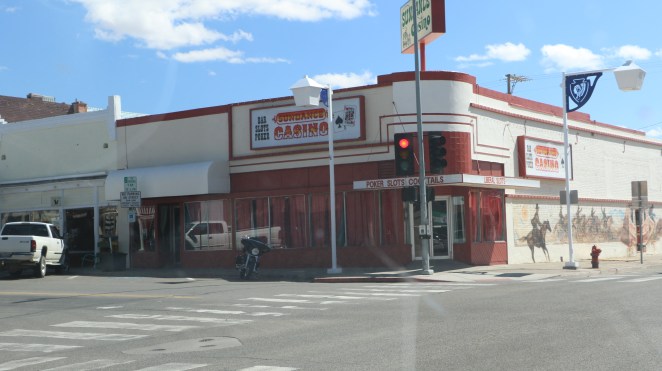
 We loaded up and moved out of the Diamond Back Casino Hotel in Susanville, CA before 10:30 A.M. and headed for the Courthouse Cafe for breakfast. It lived up to the expectations we had from reading the review on TripAdvisor. We find the website very helpful.



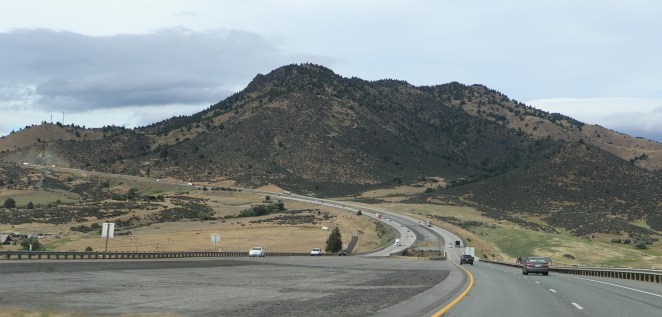
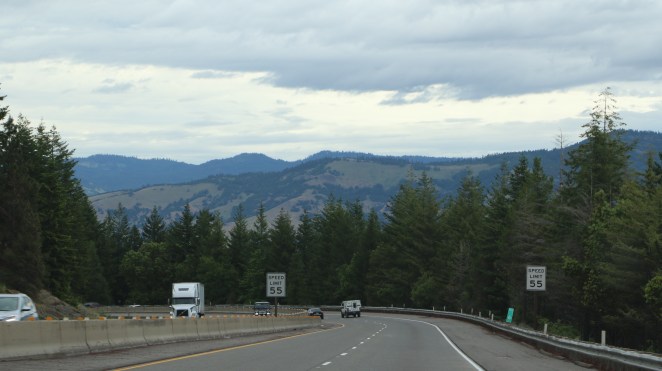
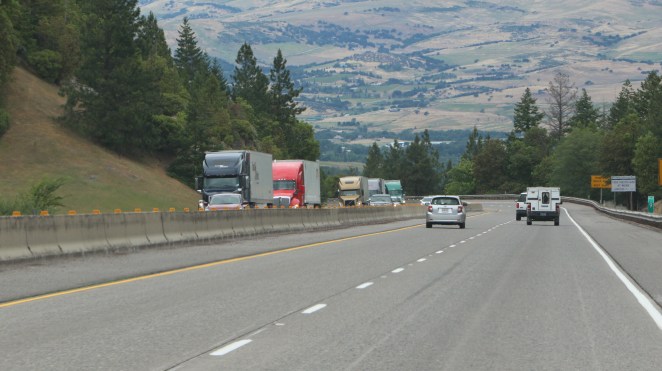
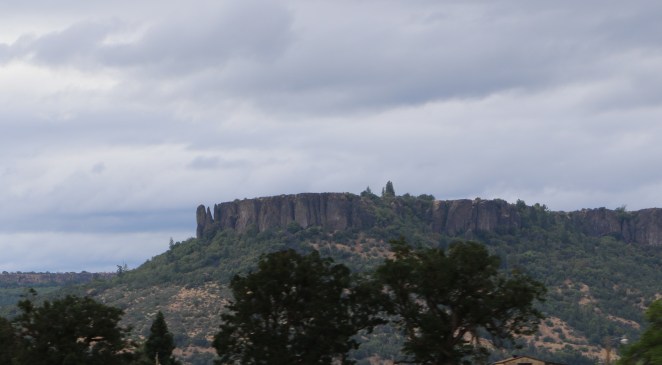
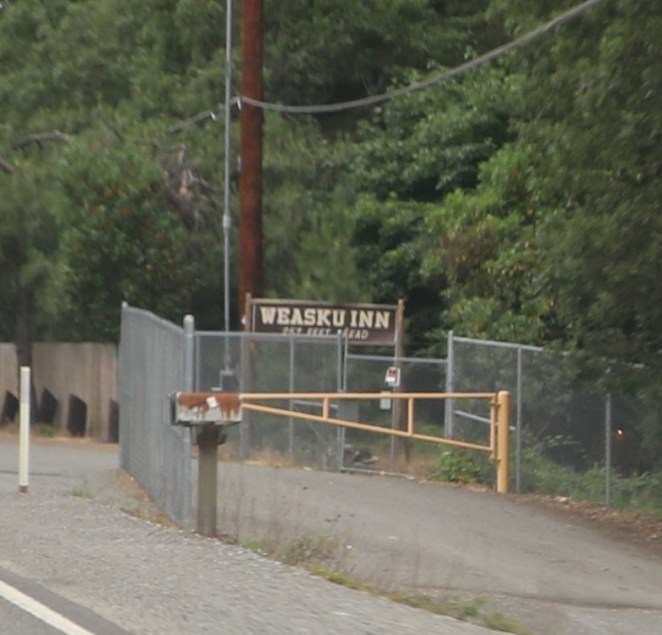
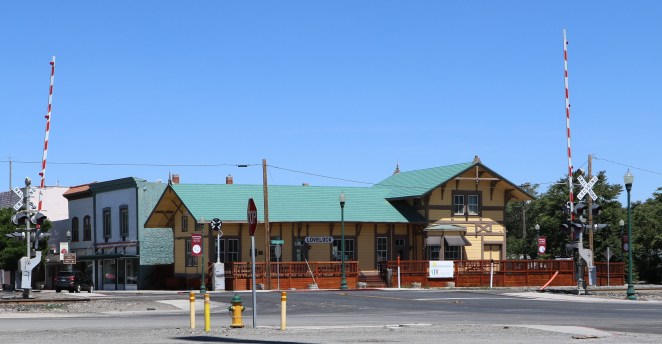

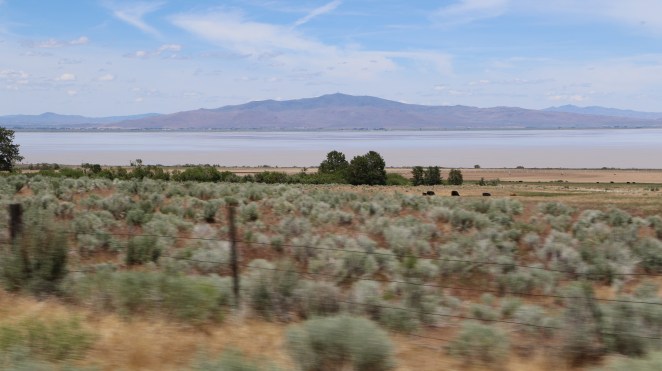
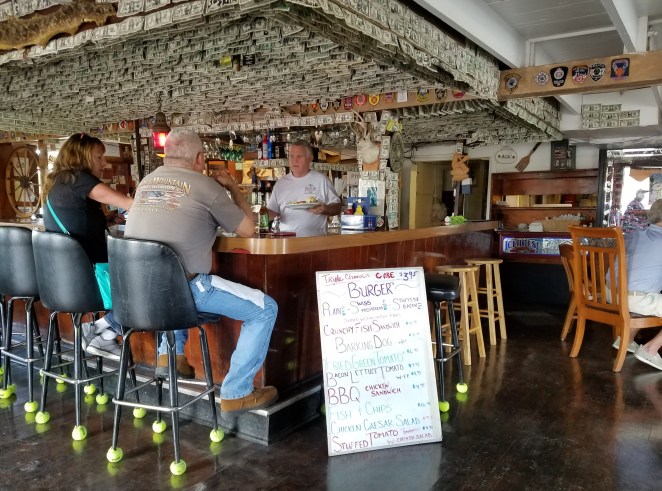
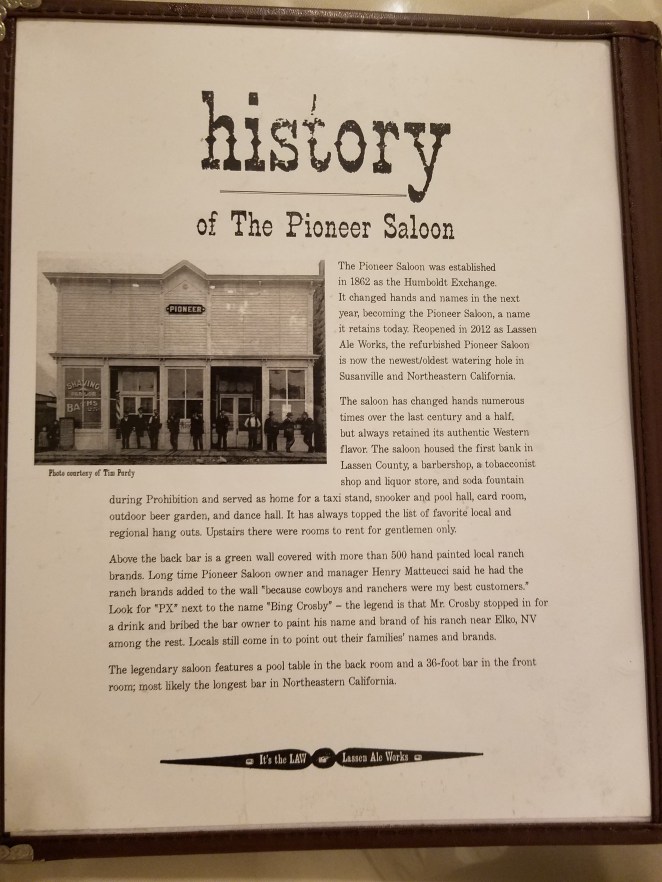
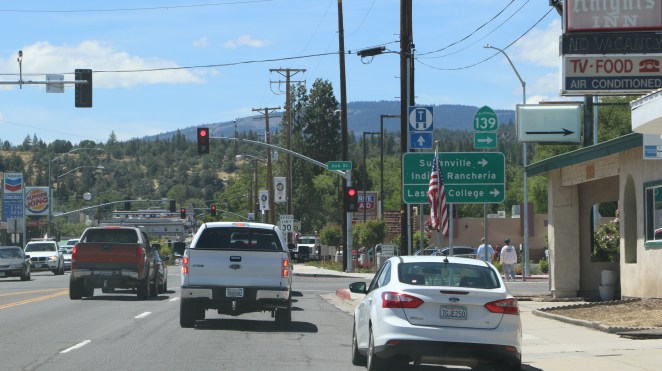 We opted to go back into town for dinner. We selected the old/new (revived) Pioneer Saloon. It was a great selection. You can read about the facility in the last picture.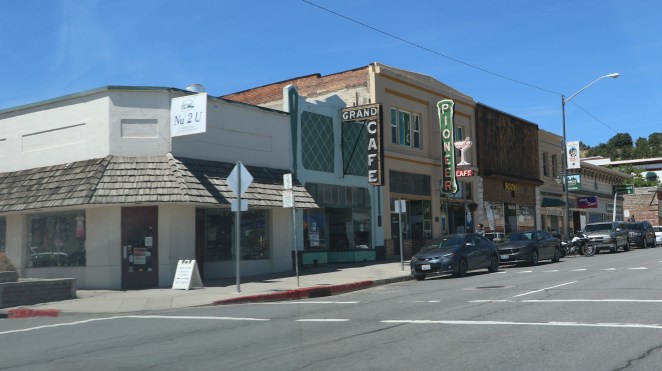









 Jeanne & Walt's Adventures